In 2026, the world of work will change radically. The EU Pay Transparency Directive is about to introduce new rules that promise to transform the way we talk about salaries and address gender equality in the workplace.
#A revolution in pay equality
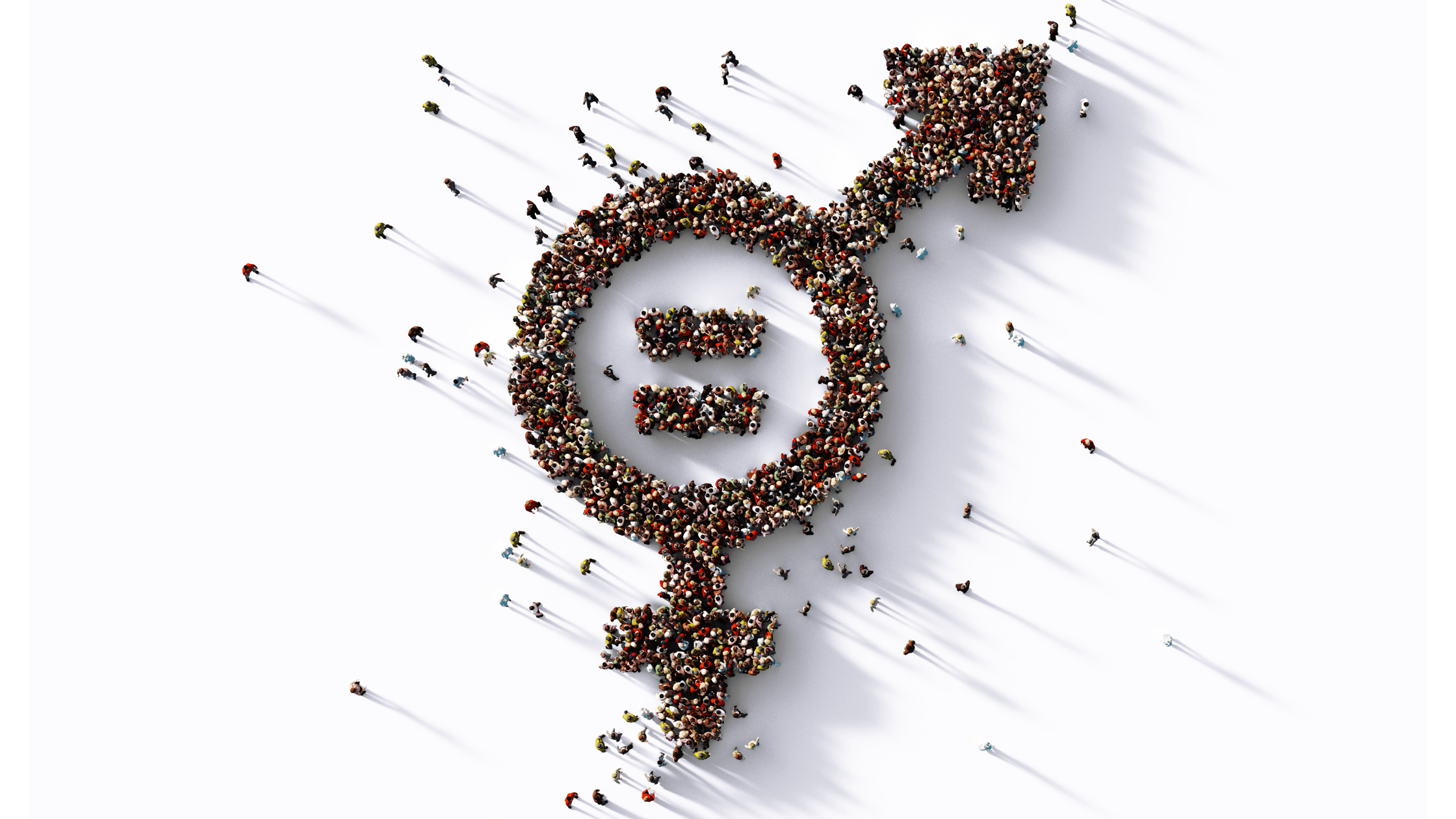
The gender pay gap is still a reality in Europe, with women earning on average 13% less than men. The new European directive represents a decisive step toward eliminating this disparity, introducing concrete measures to ensure pay transparency.
#What will actually change
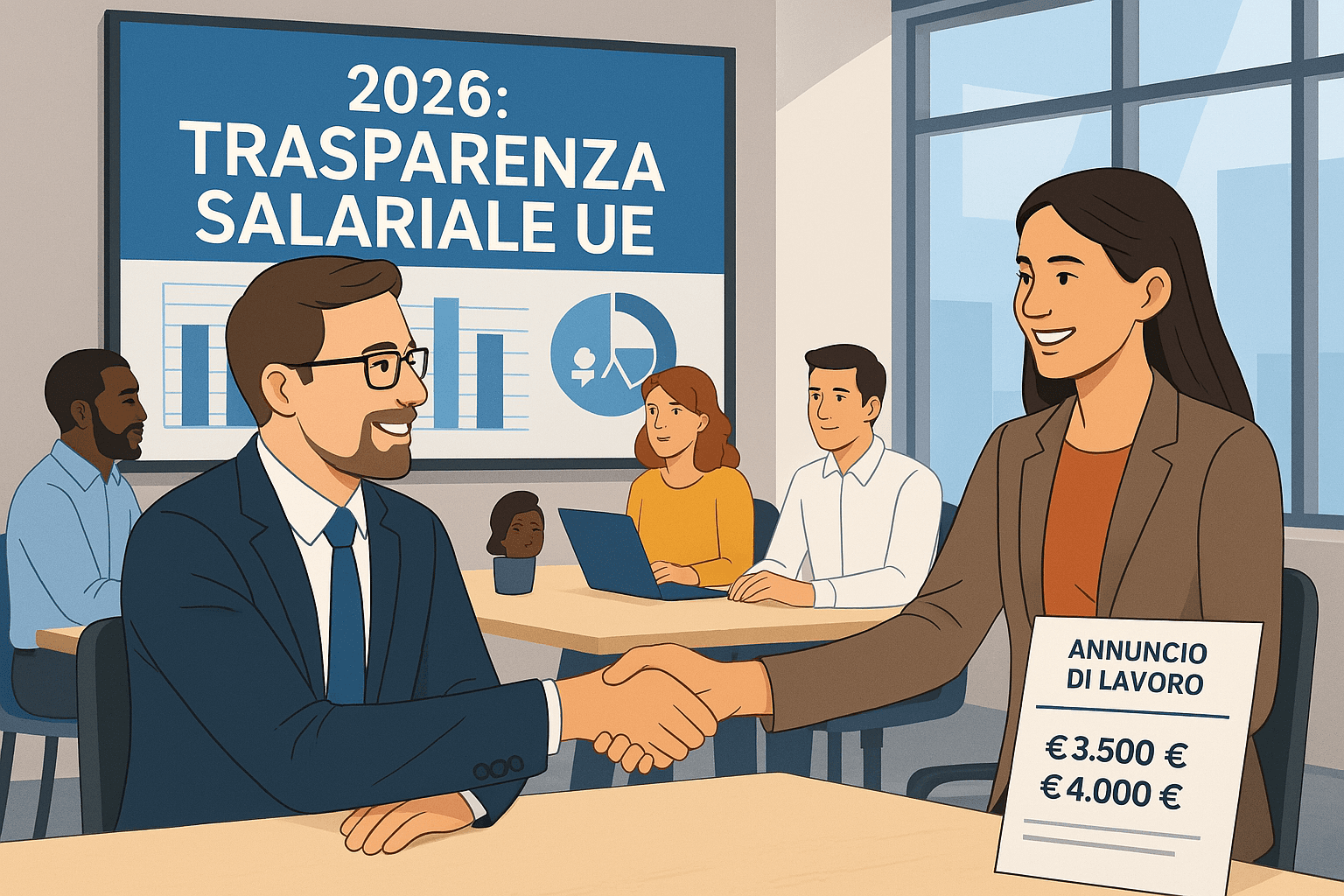
Transparency becomes the new norm. From 2026, job interviews will no longer include questions about previous salary, a practice that often perpetuates pay disparities. But the changes don't stop there.
Companies will need to adapt to new obligations:
- Annual pay equality reports for companies with more than 250 employees
- Triennial reports for companies with 150 to 249 employees
- Mandatory inclusion of salary ranges in job postings
- Joint pay assessments in case of gender pay gaps exceeding 5%
#The right to transparency
Workers will have new fundamental rights. They will be able to know the average pay levels for work of equal value within their organization. This transparency will help identify and correct unjustified pay disparities.
The directive does not only introduce new rules but promotes a profound cultural shift. Companies will need to rethink their pay and hiring policies, placing equity at the center of their HR practices.
#Preparing for the change
Organizations have until June 7, 2026 to comply, but it is important to start preparing now:
- Reviewing current pay policies
- Training HR staff on new practices
- Implementing pay monitoring systems
- Developing transparent processes for salary determination
#A more equitable future
This directive represents an important step toward a more equitable and transparent labor market. It is not just about regulatory compliance, but about building a work environment where merit and skills, not gender, determine pay.
Change is at the door, and organizations that move first will have a competitive advantage in the labor market of the future. Pay transparency is no longer an option: it is the new standard for a fairer and more equitable world of work.
To learn more about these topics and stay updated on the latest developments of the directive, visit the CertAI blog, where you will find detailed analyses and practical guides to prepare for the change.
The road to pay equality is still long, but with this directive, Europe takes a decisive step in the right direction. The future of work will be more transparent, equitable, and inclusive.